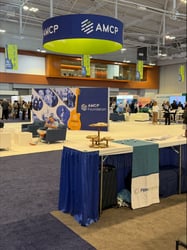
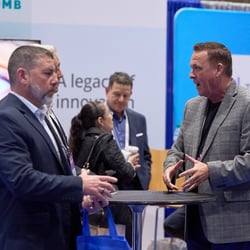
The Post-Acute and Long-Term Care Medical Association (PALTmed) brought together medical directors, physicians, nurse practitioners, physician assistants, pharmacists and other practitioners from across the PALTmed spectrum at this year’s annual conference.
The conversations were urgent, the clinical insights were sharp, and the consensus was clear. The long-term care field is at an inflection point.
Here are the top three lessons that every PALTmed provider should take away from PALTC26.
1. Medication Reconciliation Still Falls Short Too Frequently. But the Gap is Larger Than Most Realize.
For too long, the industry has defined medication reconciliation as comparing the medication list from the last transition of care to the current one. That standard is not sufficient. Without up to 12 months of claims-based home medication history, an estimated 40 percent of the clinical story goes unseen. That gap drives undetected medication discrepancies, adverse drug events, avoidable readmissions, and weakened survey defensibility. Fixing medication reconciliation is not a secondary priority in PALTC. It is central to the mission.
2. AI Is No Longer a Future Concept in PALTC. It’s Moving Now.
Artificial intelligence dominated the conversation at PALTC26, and the focus was not theoretical. Sessions zeroed in on practical AI adoption in post-acute and long-term care settings. Providers are actively exploring how AI can support clinical decision-making, reduce administrative burden, and improve care coordination. The providers making progress are choosing tools that integrate directly into existing workflows and deliver clinically actionable output rather than more noise.
3. Value-Based Care Is Reshaping How PALTC Providers Must Think and Operate.
Payers and partners increasingly expect PALTC providers to demonstrate clinical value in measurable terms. That means aligning practice patterns with quality metrics and using analytics to tell a clear performance story. Reducing 30-day readmissions, closing medication adherence gaps post-discharge, and reducing high-risk medication use are more than important clinical goals. They are now the key performance indicators that define competitive advantage in a value-based environment.
Putting the Lessons in Action
ActualMeds delivers an AI-enabled, interoperable InConcert Medication Management (ICMM) platform built for the complexity of long-term care. The platform aggregates data across EHRs, claims, and pharmacies and incorporates up to 12 months of claims-based home medication history to build a complete clinical picture. Pharmacist-validated recommendations are delivered directly into provider workflows, bypassing the administrative handoffs that slow clinical action in traditional LTC settings.
The result is fewer medication-related readmissions, stronger survey defensibility, improved quality performance, and reduced medication-related risk at scale.
Are you ready to learn how ActualMeds can support your PALTC goals? Contact our team today to discover the ActualMeds difference.